Home
Toggle menu
  • Home
  • About Us
  • Two-Generation Approach
  • Stories/Blogs
  • Media
    • Publications
    • Gallery
    • Newsletters
    • Videos
  • Contact Us
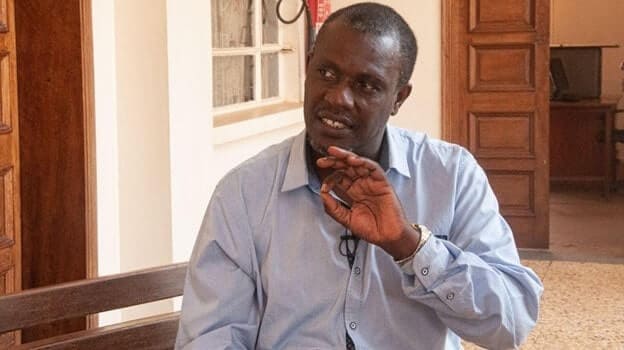
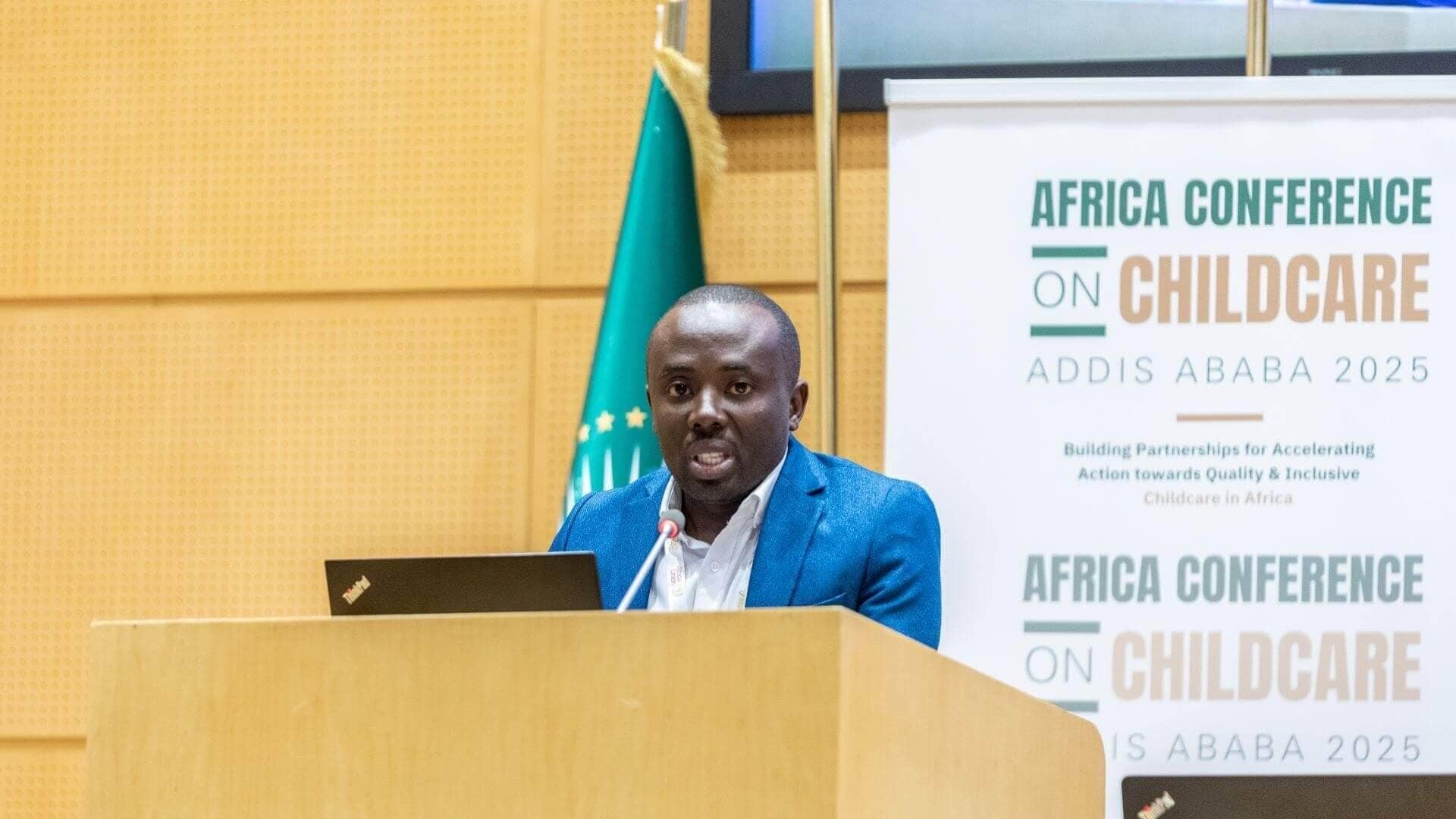
Godfrey Mwesigye, Kulea Watoto Advocacy Manager, attending a high-level convening at the African Union Headquarters in Addis Ababa — the Africa Conference on Childcare
The Two-generation approach: A smarter way to support refugee children

In June this year, I was privileged to attend a high-level convening at the African Union Headquarters in Addis Ababa —the Africa Conference on Childcare. Among all the participants, including the government leaders, policymakers, childcare practitioners, civil society actors, donors, humanitarian actors and advocates, one key truth was re-echoed — ‘we cannot afford to overlook the youngest victims of the crisis.’
Learn More

Our Stories

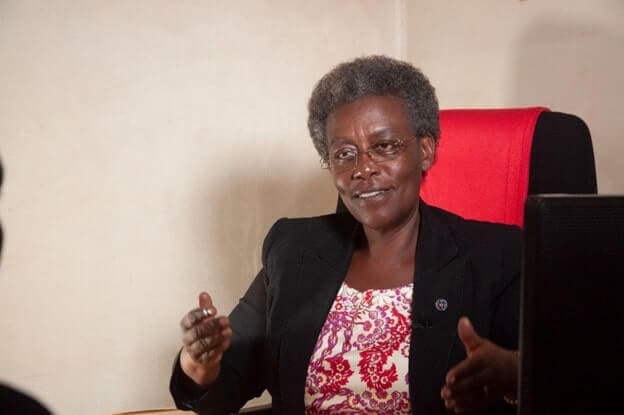
Florence Kyoshabire, Education Supervisor - Rubaga Division under the Kampala Capital City Authority (KCCA), during an interview
How Local Leadership Is Strengthening Uganda’s Early Childhood Systems

Uganda is home to one of the youngest populations in the world, with over 50.5% of its citizens under the age of 18. Yet, access to quality early childhood education remains a persistent challenge. Fewer than 30% of children aged 3 to 5 are enrolled in an Early Childhood Development (ECD) centre.

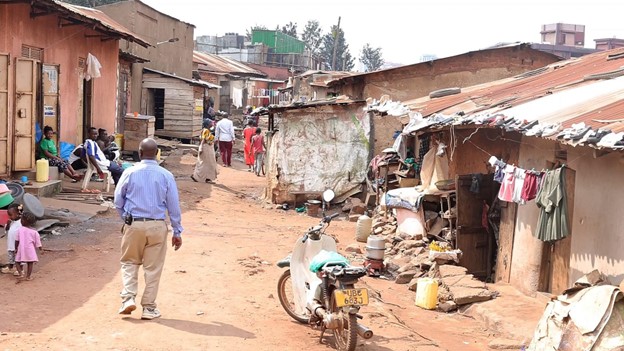
Kiberu Hassan, Chairperson of the Community Management Committee (CMC) at Kiti Nursery School, walks through the community in Katwe, Kampala Central
Changing Early Learning Amid Kampala’s Slums

Tucked deep within the crowded backstreets of Kampala Central’s informal settlements in Katwe, Kiti Nursery School stands in a place many overlook. Narrow dirty alleys wind between makeshift homes of rusted iron sheets and crumbling walls. During the rains, open drains overflow, turning walkways into ankle-deep streams of sewage.

Shafique Ssekalala, Programme Director at Madrasa Early Childhood Programme Uganda (MECPU), during an interview - Kulea Watoto
How the Kulea Watoto Project is Reimagining Early Childhood for Refugee Families in Uganda

“When the refugees come, they come with children.” This simple statement by Shafique Ssekalala, Programme Director at Madrasa Early Childhood Programme Uganda (MECPU), reflects a sobering reality: emergencies do not just displace adults. They interrupt entire childhoods.

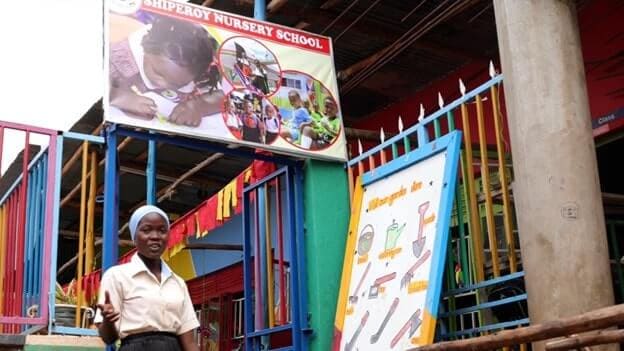
Jauharah Mwesigwa, a head caregiver at Shiperoy Nursery and Primary School in Lukuli, Makindye division, during an interview
Kulea Watoto reshaping Early Childhood Education at Shiperoy Nursery and Primary School

It’s just another day in an always vibrant Top Class classroom with laughter echoing as children count bottle tops, flip through cardboard books, and play with locally-made sweet potatoes and watermelons, turning everyday objects into their first school supplies.

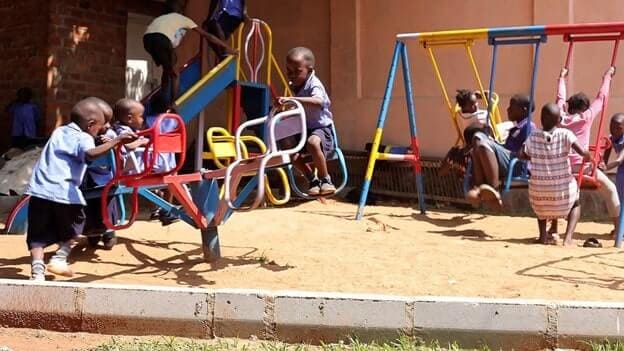
Children play at one of the play spaces supported by the Kulea Watoto Project in Konge, Makindye Division
How a Refugee-Led ECD Centre is Changing Early Childhood in Makindye

“When my child joined the centre, he could not even count to ten.But now he can write his name and count to fifty.”  This reflection from a mother in Makindye Division, Kampala, is one of many shared with David Lungu, a trained caregiver working at a community-based early learning play space run by People for Peace and Defence of R

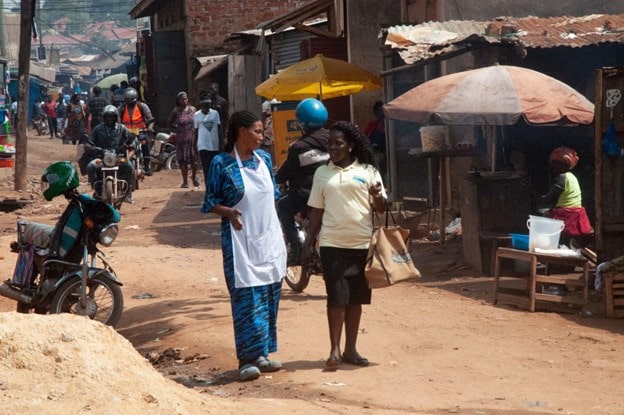
Margaret Nakavuma Kisakye, a trained Village Health Team (VHT) member (right), interacts with Scovia Kyalisima (left), a beneficiary under the Kulea Watoto Programme in Nsambya, Makindye division
How Kulea Watoto is Changing Caregivers’ Lives

When Margaret Nakavuma Kisakye walks through the communities of Kampala Road in Makindye Division, she carries more than just health tips. She brings warmth, reassurance, and the kind of practical guidance that helps parents in poverty riddled areas see their children and themselves with fresh eyes.

Pagination

  • Next page ››
sfy39587stp18